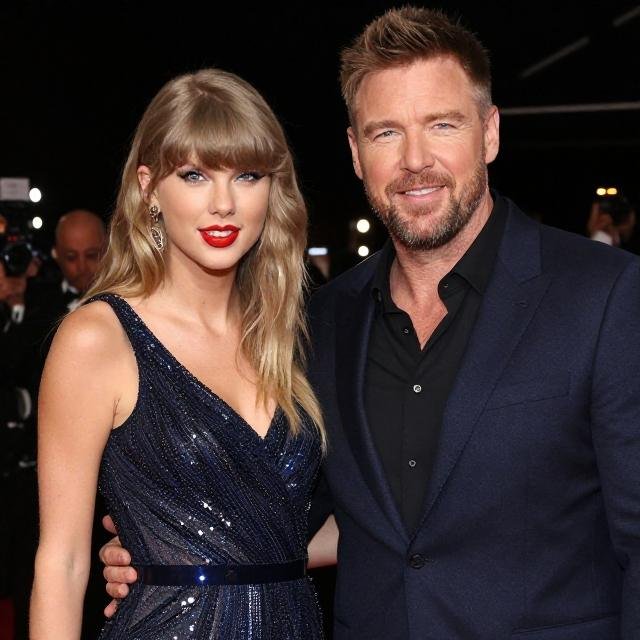

Richard Fairs
When people talk about innovation in the business-to-business media world, especially within property and real estate, one name consistently rises to the surface: Richard Fairs. Over the years, he has carved out a reputation not just as an executive, but as a strategist who understands how industries evolve—and how media must evolve with them.
In a sector often resistant to rapid change, Richard Fairs has demonstrated that transformation is not only possible but essential. His career reflects a careful balance between traditional publishing values and modern, data-driven strategies. While many leaders focus solely on growth metrics, Fairs has repeatedly emphasized sustainability, credibility, and long-term market positioning.
This article explores who Richard Fairs is, how he became a key figure in property media, and why his leadership continues to shape the future of professional publishing. Let’s dive in.
Early Career Foundations and Business Philosophy

Richard Fairs did not rise to prominence overnight. His career was built on a foundation of commercial insight, operational discipline, and a deep understanding of niche publishing markets. Like many successful executives, he developed his skills through hands-on leadership rather than purely theoretical management.
In the early stages of his career, Fairs focused heavily on understanding audience behavior. Instead of treating publishing as simply a content business, he viewed it as an ecosystem—where advertisers, readers, event participants, and digital users all play interconnected roles. This systems-thinking approach later became central to his broader strategy.
One of the defining elements of his professional philosophy is the belief that B2B media must deliver measurable value. Under his leadership, brands were expected to do more than inform; they had to connect professionals, facilitate transactions, and strengthen industry networks. This mindset helped reposition traditional trade publications into dynamic platforms that combined content, events, data, and digital services.
Transforming William Reed Ltd
A pivotal chapter in Richard Fairs’ career came through his leadership role at William Reed Ltd, a respected UK-based B2B media company. Although the organization already had a strong heritage, the media landscape was changing rapidly. Print was declining, digital competition was intensifying, and audience expectations were shifting.
Rather than resisting change, Fairs leaned into it. He championed digital transformation not as a side project but as a central growth engine. This included expanding online platforms, building subscription-based digital products, and enhancing data capabilities. Importantly, he maintained the company’s reputation for high-quality journalism while modernizing its delivery channels.
Under his strategic direction, William Reed strengthened its position in specialist markets, particularly in food, drink, and property sectors. Fairs’ leadership emphasized diversification—balancing publishing revenue with events, awards programs, and industry intelligence products. This multi-channel strategy significantly increased resilience during uncertain economic periods.
His tenure demonstrated a key principle: transformation does not require abandoning legacy strengths. Instead, it requires aligning those strengths with new delivery models and revenue streams.
Leadership in Property Media: Elevating Industry Platforms
Richard Fairs is especially well known for his impact on property-focused publications. The property sector is unique—it blends finance, construction, architecture, urban planning, and politics. Leading media brands in such a space requires nuanced understanding.
Fairs recognized that property professionals need more than headlines; they require actionable insights, credible analysis, and networking opportunities. Under his influence, property media brands shifted from simple news outlets to industry hubs. Conferences, roundtables, research reports, and digital communities became core components of the business model.
One notable example tied to this evolution is Property Week, one of the UK’s most influential property publications. During the broader transformation of property-focused media, platforms like Property Week expanded their digital reach and event portfolios. This shift reflected the kind of integrated approach Fairs advocated—where editorial excellence is complemented by commercial intelligence and live engagement.
By reinforcing the credibility of these platforms while modernizing their operations, Richard Fairs helped ensure that property media remained relevant in an increasingly competitive digital environment.
Strategic Vision: Blending Data, Events, and Content
One of Richard Fairs’ standout contributions to the media industry is his recognition that content alone is no longer sufficient. In today’s environment, information is abundant. What professionals value is context, curation, and connection.
Fairs has consistently supported the integration of data analytics into publishing operations. By understanding subscriber behavior, event attendance patterns, and digital engagement metrics, his teams could refine product offerings with precision. This data-led mindset enabled smarter editorial planning and more targeted commercial partnerships.
Events, too, became a strategic pillar. Rather than viewing conferences and awards as ancillary activities, Fairs positioned them as central brand experiences. These events strengthened industry relationships and reinforced trust in the publications’ authority. They also created diversified revenue streams, reducing reliance on traditional advertising models.
This blended approach—content, data, and live engagement—became a blueprint for modern B2B media success.
Navigating Industry Disruption with Confidence
The media sector has faced extraordinary disruption over the past two decades. Digital-first competitors, social media platforms, and shifting advertising models have challenged even the most established brands. Many organizations struggled to adapt.
Richard Fairs’ leadership style during these periods stands out for its measured decisiveness. Instead of chasing every trend, he focused on sustainable innovation. He understood that credibility and audience trust are long-term assets that must not be compromised for short-term gains.
By investing in digital infrastructure while preserving editorial standards, Fairs helped position his organizations as stable yet forward-thinking. His strategy emphasized resilience—building businesses capable of weathering economic downturns and technological shifts alike.
This calm, structured approach to disruption has become one of the hallmarks of his professional reputation.
Management Style and Corporate Culture
Beyond strategy and numbers, Richard Fairs is often associated with strong organizational culture. Effective media companies rely on collaboration between editorial, commercial, marketing, and events teams. Without cohesion, even the best strategies can falter.
Fairs has been known to encourage cross-department collaboration, ensuring that editorial integrity and commercial viability work in harmony rather than conflict. He recognizes that talented journalists and commercial professionals must align around shared goals.
Another defining trait is accountability. Clear performance metrics, transparent communication, and long-term planning are recurring themes in organizations under his leadership. Yet this structure does not come at the expense of innovation. Teams are encouraged to experiment—provided those experiments are grounded in strategic logic.
This balanced management philosophy has allowed him to build sustainable growth rather than short-lived spikes in performance.
The Broader Impact on B2B Publishing
Richard Fairs’ influence extends beyond individual companies. His career reflects broader shifts within B2B publishing—away from print-centric models and toward integrated information ecosystems.
Modern trade publications now function as industry platforms. They combine investigative journalism, expert commentary, live events, market data, and digital subscriptions. This holistic model did not emerge accidentally; it required leaders who could see beyond traditional formats.
Fairs stands out as one of those leaders. By championing diversification and data-driven decision-making, he contributed to redefining what professional media organizations can achieve. His work demonstrates that niche publishing is not a shrinking field—it is a space ripe for innovation when approached strategically.
Why Richard Fairs Matters Today
In today’s rapidly shifting media environment, leadership examples like Richard Fairs remain highly relevant. Artificial intelligence, automation, and evolving audience behaviors continue to reshape how professionals consume information.
What sets Fairs apart is not just his record of growth but his adaptability. He has shown that traditional expertise and modern technology can coexist. Quality journalism and commercial success are not opposing forces; they are complementary when guided by clea strategy.
For aspiring media executives and property industry professionals alike, his career offers practical lessons:
Understand your audience deeply.
Diversify revenue intelligently.
Invest in digital without sacrificing credibility.
Build culture as carefully as you build strategy.
These principles are simple in theory but powerful in execution.
Final Thoughts on Richard Fairs’ Legacy
Richard Fairs represents a generation of executives who successfully bridged the gap between legacy publishing and digital transformation. His leadership in property and B2B media has influenced how industry information is delivered, monetized, and experienced.
While the media landscape will continue to evolve, the strategic frameworks he helped establish—multi-channel engagement, data integration, and audience-centric design—are likely to endure. In many ways, his career serves as a case study in how thoughtful leadership can guide traditional industries through periods of intense change.
For anyone studying the future of professional media, the name Richard Fairs is more than just a keyword. It represents a blueprint for sustainable innovation in a complex and competitive world.
About the Author