manny stul
When people talk about bold entrepreneurs who reshaped entire industries, Manny Stul deserves a front-row seat in the conversation. His story is not just about business success; it is about resilience, reinvention, and an almost instinctive understanding of what makes consumers tick. From humble beginnings to leading one of the most successful toy companies in the world, his journey offers powerful lessons for aspiring founders and seasoned executives alike.
What makes Manny Stul particularly fascinating is that his rise was anything but conventional. He did not simply inherit a thriving corporation or ride a tech wave at the perfect time. Instead, he stepped into a struggling company, made audacious decisions, and transformed it into a global powerhouse. Let’s take a deeper look at how he did it—and why his approach still matters today.
Early Life: From Poland to Australia

Manny Stul was born in Poland to Holocaust survivor parents, a background that deeply influenced his outlook on life and business. Growing up in the shadow of such profound hardship instilled in him a mindset centered on survival, adaptability, and relentless determination. These values would later define his entrepreneurial journey.
At a young age, his family emigrated to Australia, seeking stability and opportunity. For many immigrant families, the transition is never easy. Language barriers, cultural differences, and financial limitations often stand in the way. Yet for Stul, this new environment offered something invaluable: possibility. Australia’s open economy and growing consumer market would eventually become the perfect stage for his ambitions.
Unlike many high-profile executives who followed a straight academic-to-corporate path, Stul’s early career was eclectic. He worked in various industries, gaining exposure to retail, distribution, and consumer behavior. These formative experiences sharpened his instincts. He developed a practical, street-smart understanding of supply chains and margins—skills that would later prove critical when navigating the highly competitive toy industry.
Reviving Moose Toys: A Masterclass in Reinvention
When Manny Stul took control of Moose Toys, the company was far from the global sensation it would later become. In fact, it was struggling. Many leaders would have played it safe, focusing on incremental improvements. Stul did the opposite. He went bold.
One of his first major strategic decisions was to shift focus toward innovation and speed. The toy market moves quickly, driven by trends, fads, and viral moments. Stul understood that large, slow-moving corporations often miss these waves. Instead of competing head-on with established giants purely on scale, he positioned Moose Toys as agile and trend-responsive.
This strategy paid off dramatically with the launch of Shopkins, a collectible toy line that became a global phenomenon. Rather than relying solely on traditional advertising, the brand leaned into social buzz and the psychology of collectibility. The result was explosive demand. Shelves emptied. Kids wanted the next release before the current one was fully stocked. Under Stul’s leadership, Moose Toys didn’t just survive—it became a serious global contender.
What’s remarkable is how he balanced creativity with disciplined execution. Innovation alone is not enough. Stul ensured that manufacturing, distribution, and retail partnerships were optimized to handle sudden spikes in demand. That operational backbone turned viral success into sustainable growth.
Leadership Philosophy: Why Culture Beats Strategy
Spend a few minutes studying Manny Stul’s leadership style, and a clear pattern emerges: he prioritizes people and culture just as much as product. In interviews, he often emphasizes empowerment, ownership, and accountability. That is not corporate jargon—it is embedded in how he runs companies.
Stul believes that bureaucracy kills innovation. By keeping teams lean and decision-making fast, he created an environment where ideas could move from concept to shelf quickly. In the toy business, timing can mean everything. A trend missed by six months might as well be missed entirely. His organizational structure reflects this urgency.
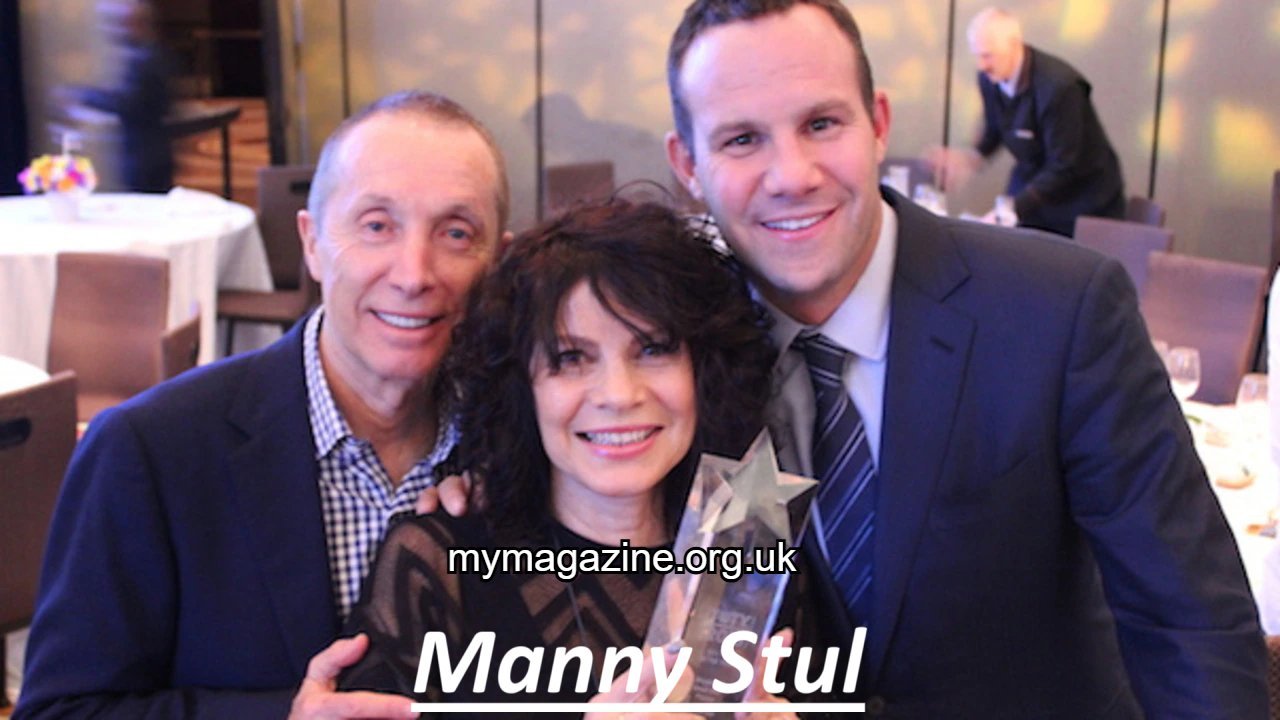
He also understands the power of recognition. In 2016, he was named World Entrepreneur of the Year by Ernst & Young. This was not just a personal accolade; it signaled global validation of his unconventional methods. It showed that a company from Australia could outperform expectations on a world stage.
Another key trait is calculated risk-taking. Stul does not gamble blindly, but he is not paralyzed by uncertainty either. He studies markets carefully, trusts his instincts, and moves decisively. For entrepreneurs watching from the sidelines, this is a critical lesson: hesitation often costs more than failure.
Global Recognition and Financial Success
Success in business eventually attracts attention, and Manny Stul’s achievements did not go unnoticed. He consistently appeared on the BRW Rich List, published by BRW, reflecting the immense value he created through his ventures. But wealth, in his case, is more of a byproduct than the primary story.
The toy industry is notoriously volatile. Trends shift overnight. Digital entertainment competes fiercely for children’s attention. Yet under Stul’s leadership, Moose Toys expanded into multiple international markets, including North America and Europe. This diversification was not accidental. He recognized early that relying on a single geographic market would limit long-term growth.
One of the most impressive aspects of his success is how he maintained independence in an industry dominated by massive multinational corporations. Rather than selling out early, Stul scaled strategically. He proved that with the right product mix and distribution channels, a mid-sized company can challenge global incumbents.
His journey demonstrates something critical for modern founders: you do not need to start in Silicon Valley or build a software unicorn to achieve global impact. Traditional industries, when approached with fresh thinking, still offer enormous opportunity.
Beyond Toys: Hospitality and Diversification
Manny Stul is not a one-industry entrepreneur. His interests extend beyond toys, most notably into hospitality. He owns and operates Skansen, a Polish restaurant in Melbourne. This venture is more than a business investment—it is a nod to his heritage.
Diversification serves multiple purposes. Financially, it spreads risk. Emotionally, it allows entrepreneurs to pursue passions outside their core industry. For Stul, hospitality represents connection, culture, and community. It is a reminder that even the most driven executives are shaped by their roots.
From a strategic perspective, branching into other industries reflects confidence and adaptability. It signals that his success was not a fluke tied to one lucky product cycle. Instead, it stems from transferable skills: brand building, operational efficiency, and consumer insight.
Entrepreneurs often struggle with the decision of when—or whether—to diversify. Stul’s example suggests that diversification works best when it aligns with personal values and long-term vision rather than chasing trends.
Lessons Entrepreneurs Can Learn from Manny Stul
If you strip away the headlines and financial figures, Manny Stul’s story offers several enduring lessons.
First, adversity can be an advantage. Growing up in a family shaped by survival built resilience that later translated into business toughness. Challenges do not automatically create strength, but how you respond to them certainly can.
Second, speed matters. In industries driven by consumer trends, agility beats size. Stul structured Moose Toys to move faster than its larger competitors, turning responsiveness into a competitive edge.
Third, culture drives performance. Strategy decks and financial models are important, but empowered teams execute ideas. By minimizing bureaucracy and encouraging ownership, he unlocked creativity within his organization.
Finally, think globally—even if you start locally. From Australia to international markets, Stul demonstrated that geographic origin is not a limitation. Vision, product-market fit, and execution matter far more.
Final Thoughts: A Legacy Still in Motion
Manny Stul’s journey is far from a simple rags-to-riches narrative. It is a blueprint for modern entrepreneurship grounded in resilience, innovation, and bold leadership. He revitalized a struggling company, built globally recognized brands, and earned international accolades—all while staying rooted in his heritage.
In a world obsessed with tech startups and overnight unicorns, his story is refreshingly different. It proves that traditional industries still hold massive potential when approached with imagination and discipline. It also reminds us that leadership is not about playing it safe; it is about seeing opportunities where others see obstacles.
For anyone serious about building something lasting, Manny Stul offers a powerful example. His career shows that with courage, clarity, and relentless execution, even a modest beginning can lead to extraordinary impact.
About the Author