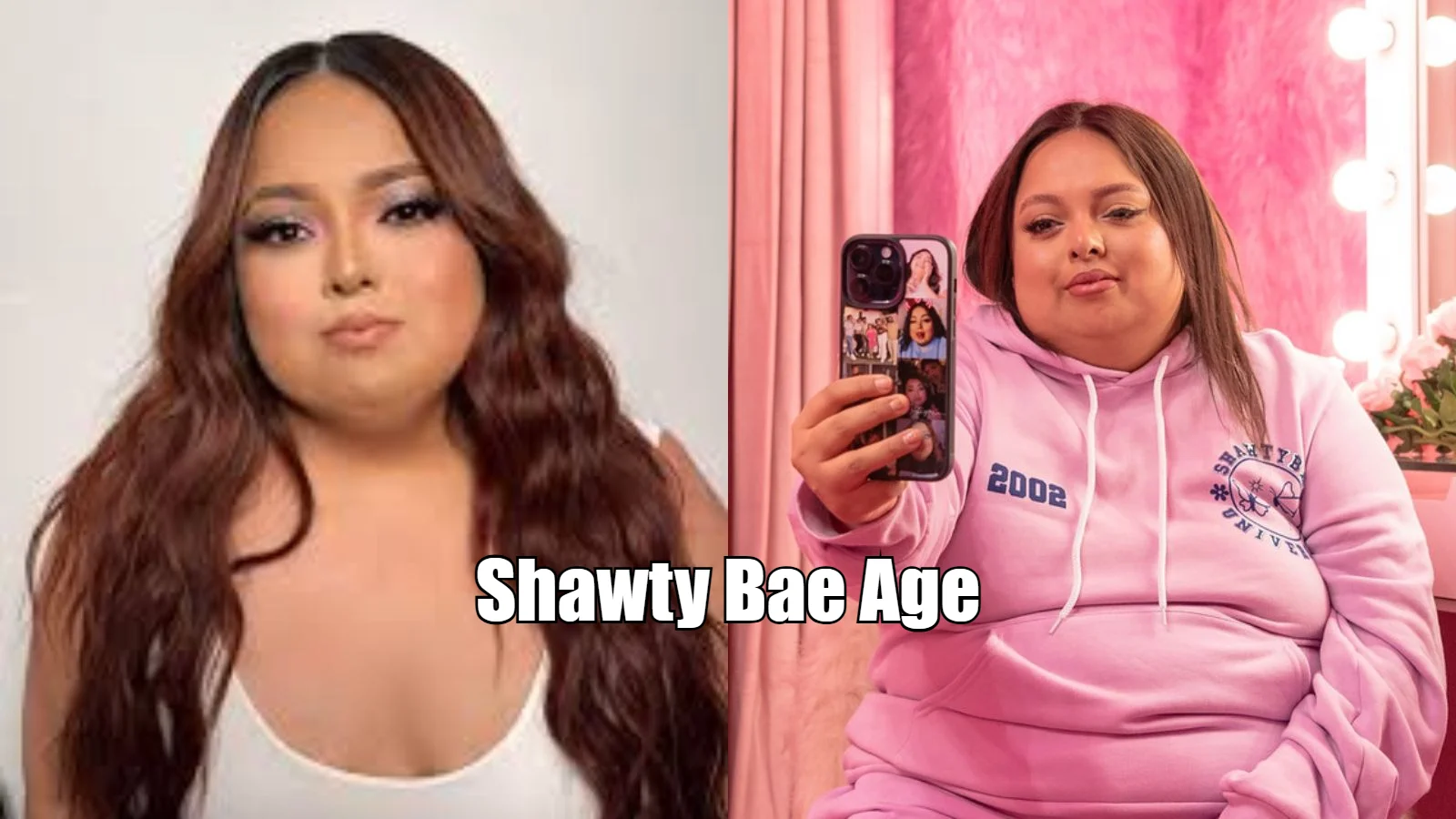
Shawty Bae Age
In Shawty Bae Age online culture, slang terms move faster than the latest viral TikTok dance trends. One phrase that’s gained a lot of traction across social platforms, music, and everyday texting is “shawty bae age.” You might’ve seen it in comments, heard it in a song, or wondered what people really mean when they type or say it. Is it a question? A compliment? A cultural reference? Understanding this phrase means diving into internet language, social trends, and the way people connect online.
There’s more to this phrase than meets the eye. On the surface, it looks like a simple combination of slang and curiosity — but it actually touches on deeper themes like identity, attraction, and digital culture. In this article, we’re breaking it all down: what “shawty” and “bae” mean, why people ask about age, and what it reflects about modern communication.
Let’s unpack it.
Breaking Down the Slang: What Shawty and Bae Mean
If you’re not deeply plugged into youth slang, “shawty” might sound like a typo or made‑up word. But it’s been a staple in urban vernacular and hip‑hop culture for decades. Originally, it referred to a young, attractive female — kind of like saying “shorty” in an endearing way. Over time, it grew into a more affectionate term used between partners, crushes, or someone you admire from afar.
“Bae,” on the other hand, skyrocketed in popularity around the mid‑2010s thanks to memes, Twitter, and Vine culture. It’s often said to come from the word “baby” or as an acronym for “before anyone else.” Regardless of origin, it became shorthand for someone you’re romantically involved with or extremely fond of. When someone calls another person their bae, it implies closeness, affection, and emotional investment.
So when we see both slang terms combined — “shawty bae” — it doubles down on the intimacy. It’s basically saying, “you’re that special, young, beloved person.” But where does age fit into this?
Why People Ask “Shawty Bae Age” Online
The phrase “shawty bae age” essentially reflects a common question: “How old is this person?” In online culture, especially around photos, videos, or social media profiles, people are curious about someone’s age — and they phrase it as “shawty bae age” because they’re referring to someone attractive or desirable Why does this curiosity exist in the first place?
First, age often plays into attraction. People want to know if someone falls into their dating range, or if a celebrity or influencer is older or younger than they expected. It’s a natural instinct: we make assumptions based on looks, vibe, confidence, and personality — then we want confirmation.
Second, the internet loves context. When someone posts a dope pic of a cute person and others comment “shawty bae age?”, it’s a way of learning more about the individual and continuing a conversation. When identity gets shared online, age becomes one of the first pieces of info people want to know.
Finally, this phrase often emerges from humor and casual chatter. Many times people asking “shawty bae age” aren’t trying to invade privacy — they’re just participating in social‑media banter.
The Cultural Roots of “Shawty” and Why Age Matters
Understanding why people are drawn to figure out someone’s age requires looking at the origins of the slang itself. Both “shawty” and “bae” come from communities where identity, expression, and personal style matter deeply. They aren’t random terms — they represent value judgments and social roles.
“Shawty” has roots in African‑American communities, especially in music and street culture where expressions of admiration and attraction were creatively coined instead of using traditional words. As it spread into mainstream pop culture, its meaning stayed playful, affectionate, and slightly flirtatious.
With that in mind, when someone calls another person “shawty,” they’re already placing them in a youthful context. That’s why age becomes even more relevant — you’re literally associating youth, beauty, attraction, and desirability in a single phrase.
So when people ask “what’s the shawty bae age?”, it’s less about cold curiosity and more about trying to place someone inside that cultural context.
Should People Ask About Age Online? A Considered Perspective
There’s no shortage of debates online about whether asking someone’s age is appropriate — especially in public comments or social threads. Some people feel like it’s harmless curiosity, while others argue that age can be private information that shouldn’t be expected or demanded.
There’s truth to both sides.
On the one hand, knowing someone’s age helps provide context, especially if you’re discussing life experiences, achievements, or dating preferences. Age often shapes perspective, maturity, and milestones — and online communities can learn from that.
On the other hand, age can be personal. Some individuals prefer to keep it private, especially when they’re building a personal brand or don’t want to invite judgment based on it. Ageism is real, and revealing age online can sometimes attract unwanted commentary.
So instead of outright asking someone’s age in a public comment, a more respectful approach is to engage with conversation, get to know the person, and — if it feels appropriate — let them share details on their own terms.
Respect and consent are always good practices online.
Shawty Bae Age” in Music, Pop Culture, and Social Media Trends
You can hardly scroll through TikTok, Instagram, or Twitter without seeing terms like “shawty” and “bae.” These terms aren’t just language — they’re cultural markers. Artists use them in lyrics to describe love interests and relationships. Influencers use them in captions to hype up their partners. Fans use them in comments to express admiration.
Because of that, people started pairing these affectionate terms with questions about identity — and age is one of the most common identifiers people are curious about.
In music especially, artists often refer to romantic partners with slang instead of formal terms. This sets a tone that feels more relatable to listeners. When fans ask questions like “shawty bae age”, it’s partly driven by the desire to connect — to bridge the gap between the mystery of a song and the person behind the persona.
This trend highlights how language evolves online and how people adapt old terms into new usage based on shared context.
Digital Language: Why This Phrase Became a Search Trend
Language online evolves at lightning speed. One day people are using acronyms like “LOL” and “BRB,” and the next they’re inventing entirely new slang. “Shawty bae age” entered search trends because it combines curiosity with catchy phrasing.
Here’s why it became popular Searchability: People type exactly what they’re thinking. If someone sees a photo and wonders about a cute person’s age, they might literally Google “shawty bae age” because it reflects how they mentally categorize the topic.
Cultural resonance: The phrase uses language that’s already widely recognized in youth and pop culture. It feels natural, not forced.Memetic spread: Once a phrase becomes common in comments, it quickly spreads into search queries as people try to understand it or see related results.In short, it’s a perfect storm of casual language, cultural influence, and digital behavior.
Final Thoughts: What Shawty Bae Age Really Reveals About Online Culture
At first glance, the phrase “shawty bae age” might look silly or shallow — just another internet trend. But when you peel back the layers, it actually tells us quite a bit about how people communicate in digital spaces.
It shows that People crave connection and context.Slang evolves quickly and becomes part of everyday search behavior.Identity markers like age are still relevant in online interaction.Casual language can reflect deeper cultural values about attraction and expression.
So the next time you see someone type “shawty bae age?” in a comment or search bar, you’ll know they’re not just spitting random words — they’re participating in a broader cultural dialogue.
Language isn’t static. It grows, adapts, and reflects who we are — especially in the age of screens, social platforms, and constant connection.
YOU MAY ALSO READ
About the Author