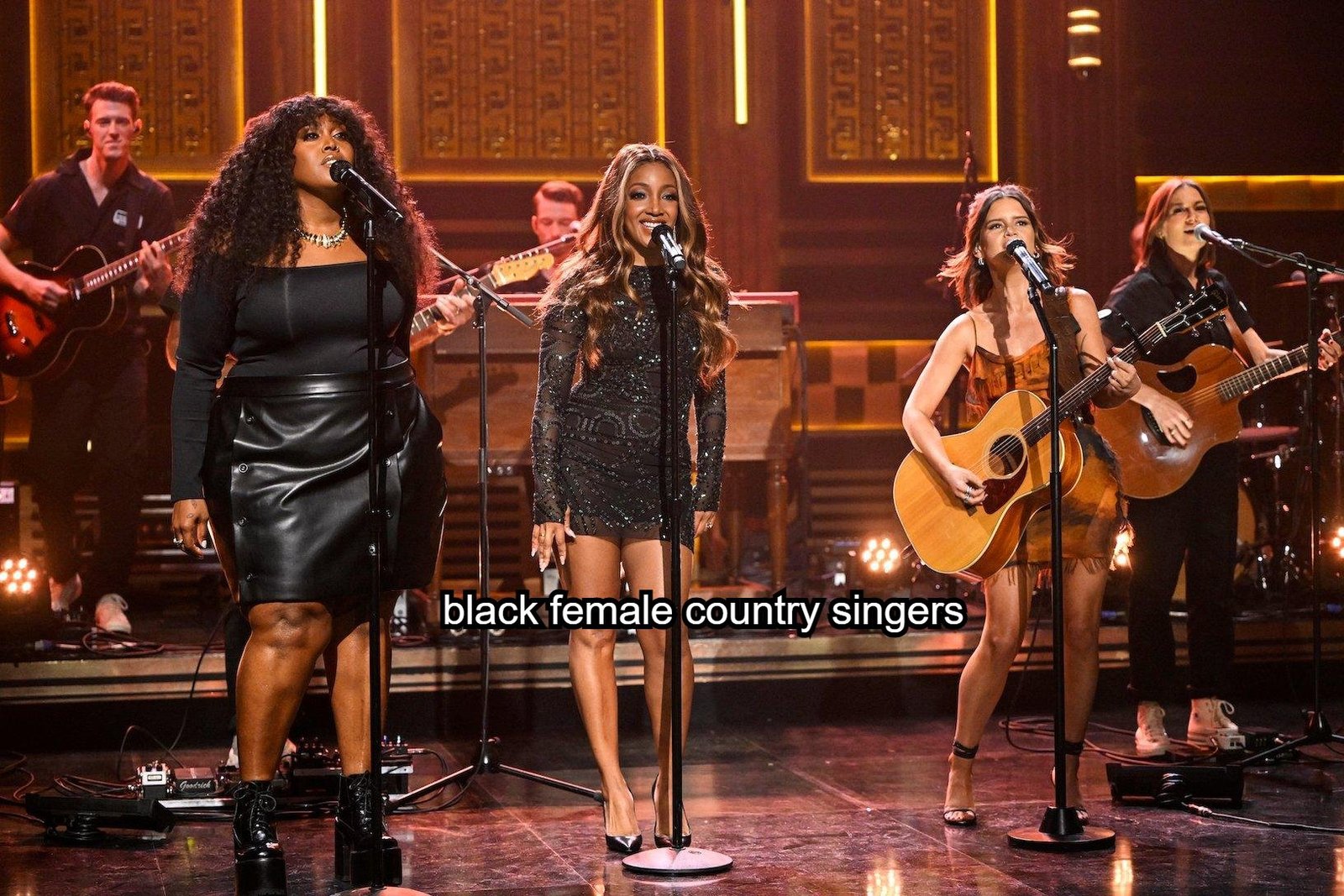
black female country singersblack female country singers
Country music has long been associated with certain stereotypes, often imagined as the domain of white male performers singing about small-town life. Yet, the genre has a rich and diverse history that includes the voices of Black female country singers, who have played a pivotal role in shaping the sound, soul, and culture of country music. These talented artists have broken barriers, challenged norms, and contributed unforgettable music that deserves recognition.
In recent years, their impact has become more visible, inspiring new generations of artists and listeners. From legends of the past to rising stars today, Black women in country music have navigated a challenging industry, bringing unique perspectives, vocal power, and storytelling prowess that redefine what it means to belong in this genre.
The History of Black Women in Country Music
The roots of country music are intertwined with Black female country singers African American musical traditions. Spirituals, blues, and folk melodies heavily influenced the development of the genre, even if Black artists were often excluded from mainstream recognition. Despite these systemic barriers, Black female performers have always contributed their voices and artistry to country music.
One early example is DeFord Bailey, who paved the way for Black musicians in country music, though female artists of color faced even greater challenges. These women often performed in smaller venues or were overshadowed in a genre dominated by white performers. Their contributions, however, were foundational, blending heartfelt lyrics, unique vocal styles, and emotional storytelling.
The history of Black female country singers is also a story of resilience. Many artists had to navigate racial and gender discrimination while pursuing their passion. Their perseverance not only created incredible music but also set the stage for future generations, proving that country music is not bound by race or gender.
Trailblazing Black Female Country Artists
Over the decades, several Black women have left a lasting mark on country music, paving the way for others to follow. One such artist is Rhiannon Giddens, whose work bridges country, folk, and Americana, blending historical storytelling with powerful vocals. Giddens has brought attention to the overlooked Black roots of American music, showing that the genre is richer and more diverse than often portrayed.
Another trailblazer is Caitlin & Will, a duo that included a Black female artist who broke through country music competitions and radio charts, challenging the conventional image of country performers. Their talent highlighted that audiences are ready to embrace diverse voices when given the platform.
In addition to these modern artists, historical figures like Mimi Brown and other early 20th-century Black female singers contributed recordings and performances that influenced country and folk traditions. While their names might not be widely known, their artistry left an imprint on the genre’s evolution. These women set a precedent, proving that country music is a genre open to innovation and inclusivity.
Modern Black Female Country Singers Making Waves
Today, Black female country artists are gaining unprecedented visibility and recognition. Jimmie Allen, though a male artist, opened doors for broader acceptance of Black performers in country music, and women like Rissi Palmer and Yola have continued the legacy. These artists are redefining the genre, blending traditional country storytelling with contemporary sounds and themes.
Rissi Palmer, for example, made history by becoming the first Black female country singer to chart a country song on mainstream radio in decades. Her music is a powerful combination of classic country melodies and modern storytelling that resonates with diverse audiences. She has also been an outspoken advocate for diversity within the country music industry, highlighting the importance of representation and opportunity.
Yola, on the other hand, blends country with soul and Americana, creating a sound that honors tradition while pushing the genre forward. Her music demonstrates that country music is a flexible, evolving art form that can embrace multiple influences. These contemporary artists are proving that Black women are not only participants in country music but also innovators shaping its future.
Challenges Faced by Black Female Country Singers
Despite their undeniable talent, Black female country singers face a number of unique challenges in the music industry. One of the most significant is underrepresentation. Country radio, awards shows, and industry infrastructure have historically favored white performers, making it harder for Black women to gain mainstream recognition.
There is also the challenge of confronting stereotypes. Some audiences assume that country music belongs only to a certain racial or cultural identity. Black female artists often have to work harder to prove their authenticity while staying true to their own voices and experiences. This double standard can be exhausting but has also inspired many artists to push boundaries and redefine norms.
Furthermore, social media and public perception add pressure. While platforms like Instagram and TikTok provide new opportunities for exposure, they also expose artists to scrutiny and criticism. Despite these obstacles, Black female country singers continue to persevere, using their platforms to advocate for diversity, equality, and representation in a genre that benefits from their contributions.
The Influence of Black Female Artists on Country Music
Black female country singers have had a profound influence on both the sound and culture of the genre. Their storytelling often brings fresh perspectives, exploring themes of identity, resilience, love, and social justice through a country lens. This narrative depth enriches the genre, making it more inclusive and relatable to broader audiences.
Musically, these artists blend country with other genres like blues, soul, gospel, and Americana. This fusion creates a dynamic sound that challenges traditional boundaries while remaining rooted in the heart of country music. Listeners are treated to emotionally rich songs that combine technical mastery with heartfelt expression.
Culturally, Black women in country music inspire aspiring artists of all backgrounds. Seeing women of color succeed in country music empowers young singers to pursue their dreams, knowing that the genre is evolving and that their voices belong. Their visibility challenges the status quo and encourages inclusivity across the industry.
Emerging Black Female Country Artists to Watch
The future of country music looks brighter thanks to emerging Black female talents. Artists like Miko Marks, Jimmie Allen’s collaborators, and new voices on independent platforms are proving that there is a growing audience hungry for diversity in the genre. These artists often combine traditional storytelling with modern sounds, attracting both country purists and new listeners.
Many of these emerging artists also use their platform to advocate for social issues, connecting country music to broader cultural conversations. By addressing themes like equality, mental health, and community, they demonstrate that country music can be socially relevant without losing its emotional depth.
As these artists gain recognition, the industry is beginning to shift. Independent labels, streaming services, and online communities are providing opportunities for Black female country singers to reach wider audiences. This trend signals a promising future where talent and authenticity take precedence over outdated assumptions about who belongs in country music.
Conclusion: Celebrating Black Female Country Singers
Black female country singers have always been an essential part of the genre, even if history has sometimes overlooked their contributions. From early pioneers to contemporary trailblazers and emerging stars, their talent, resilience, and creativity have enriched country music in profound ways.
These artists challenge stereotypes, inspire new generations, and push the boundaries of what country music can be. They show that the genre is not limited by race, gender, or tradition, but thrives when diverse voices bring their stories, experiences, and emotions to the forefront.
Celebrating Black female country singers is not only a recognition of their artistry but also a reaffirmation that country music belongs to everyone. By honoring their contributions and supporting their work, listeners can help ensure that the genre continues to evolve into a more inclusive, vibrant, and dynamic musical landscape.
The voices of Black women in country music remind us that passion, authenticity, and talent know no bounds—and that the heart of country music beats strongest when it embraces the richness of all its storytellers.
About the Author