
Hugh Keevins Age
When people search for Hugh Keevins age they’re usually looking for more than just a number. They want context. They want to understand how many decades of experience, controversy, insight, and passion sit behind one of Scotland’s most recognizable football voices. Age, in this sense, is not just about years—it’s about perspective, resilience, and legacy.
Hugh Keevins has been a constant presence in Scottish football media for generations. Whether you love his opinions or strongly disagree with them, there’s no denying his influence. In this article, we’ll explore his age, background, professional journey, public image, and the lasting impact he has had on sports journalism.
Early Life and Background: The Foundations Behind Hugh Keevins’ Age and Experience
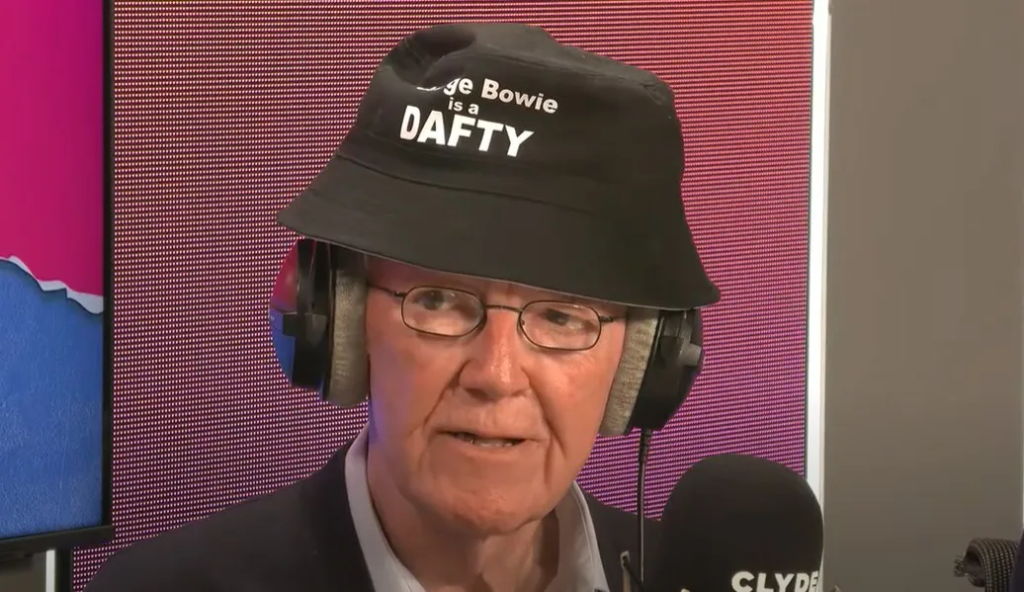
Hugh Keevins age was born in 1956, which places him in his late sixties today. This fact alone tells us something important: he grew up during a time when football reporting was very different from what we see now. There were no social media platforms, no instant reactions online, and very limited access to players and managers. Journalists relied heavily on relationships, trust, and reputation.
Growing up in post-war Scotland, Keevins was surrounded by a football culture that was deeply emotional and fiercely loyal. Clubs weren’t just sports teams; they were community identities. This environment played a major role in shaping his perspective. From a young age, he learned that football was never just about results—it was about pride, history, and personal connection.
His early interest in writing and storytelling developed alongside his passion for the game. Unlike many journalists who enter sports media later in life, Keevins was drawn to it from the start. His formative years helped build the sharp observational skills and strong opinions that would later define his career. In many ways, his age reflects decades of immersion in Scottish football culture rather than simply time passing.
Professional Career and Longevity: How Age Became an Asset in Journalism
Hugh Keevins began his professional journalism career in the late 1970s, a period when print media dominated sports coverage. Newspapers were the primary source of football news, and columnists held significant power in shaping public opinion. Entering the industry at this time gave Keevins a front-row seat to some of the most transformative eras in Scottish football.
Over the years, he worked for major publications and became especially well known for his outspoken columns. His writing style was never timid. He questioned managers, challenged players, and often went against popular opinion. While this approach earned him criticism, it also built his reputation as someone unafraid to speak his mind.
As he grew older, Keevins didn’t fade into the background. Instead, he adapted. He transitioned smoothly into radio and television, becoming a familiar voice on sports talk shows and debate panels. His age brought credibility. Listeners knew they were hearing from someone who had witnessed multiple generations of players, countless title races, and endless controversies. Experience became one of his strongest professional tools.
Public Image and Media Presence: How Hugh Keevins’ Age Shapes Perception
One of the most fascinating aspects of Hugh Keevins’ career is how his age influences the way audiences perceive him. To some, he represents “old-school” journalism—direct, uncompromising, and sometimes provocative. To others, he is a respected veteran whose opinions are rooted in decades of observation.
As he entered his later years, Keevins leaned into his role as a seasoned commentator. He often speaks from a historical perspective, comparing modern players and managers to figures from the past. This ability to connect eras is something younger journalists simply cannot replicate. His age allows him to frame current events within a much broader narrative.
However, being older in a fast-changing media world is not without challenges. Digital platforms, fan-driven content, and social media debates have reshaped sports journalism. Keevins has sometimes been criticized for being out of touch or resistant to newer trends. Yet, this contrast is also part of his appeal. He offers a traditional voice in an increasingly modern landscape, giving audiences an alternative perspective.
Expertise, Controversy, and Influence: What His Age Represents Today
By the time most people reach their late sixties, many are thinking about slowing down. Hugh Keevins, however, remains actively engaged in football discussions. His continued presence highlights how age, in his case, represents dedication rather than decline. He still analyzes matches, comments on club management, and debates football politics with the same intensity he showed decades ago.
Controversy has always followed him. Some of his opinions have sparked heated reactions from fans, players, and even fellow journalists. Over time, his age has added another layer to these debates. Critics sometimes argue that he is stuck in the past, while supporters believe his long memory makes his insights more valuable. Both perspectives exist, and both contribute to his enduring relevance.
Influence is perhaps the most important outcome of his longevity. Many younger journalists grew up reading his columns or listening to his broadcasts. Even those who disagree with him have been shaped by his style—direct, opinionated, and unapologetic. His age symbolizes decades of impact on how football is discussed in Scotland.
Legacy and Relevance: Why Hugh Keevins’ Age Still Matters
When people ask about Hugh Keevins age, they’re often really asking about his place in football history. At this stage in his life, he is more than just a commentator. He is a living archive of Scottish football, someone who has witnessed its evolution from local stadium rivalries to global broadcasting.
His longevity proves that journalism is not only about chasing trends. It’s about building trust, developing a voice, and staying committed to your craft. Over time, Keevins has refined his approach, balancing strong opinions with experience-driven analysis. This evolution is something only age and persistence can provide.
Looking ahead, his legacy will likely be defined by both admiration and debate. He won’t be remembered as a neutral observer, but as a passionate participant in football’s public conversation. His age gives weight to his words, even when people disagree with them. In a media world that constantly changes, that kind of lasting relevance is rare.
Conclusion: More Than a Number
So, when we talk about Hugh Keevins’ age, we’re talking about far more than how many years he has lived. We’re talking about decades of football knowledge, thousands of published opinions, and an unwavering commitment to his profession.
Born in 1956 and now in his late sixties, Keevins represents a generation of journalists who built their reputations through consistency, courage, and deep connection to the sport. His age reflects experience, resilience, and an ability to remain relevant in a rapidly evolving media environment.
Whether you see him as controversial, insightful, old-school, or indispensable, one thing is certain: Hugh Keevins’ age is not a limitation. It is the foundation of his authority, personality, and enduring presence in Scottish football journalism.
About the Author