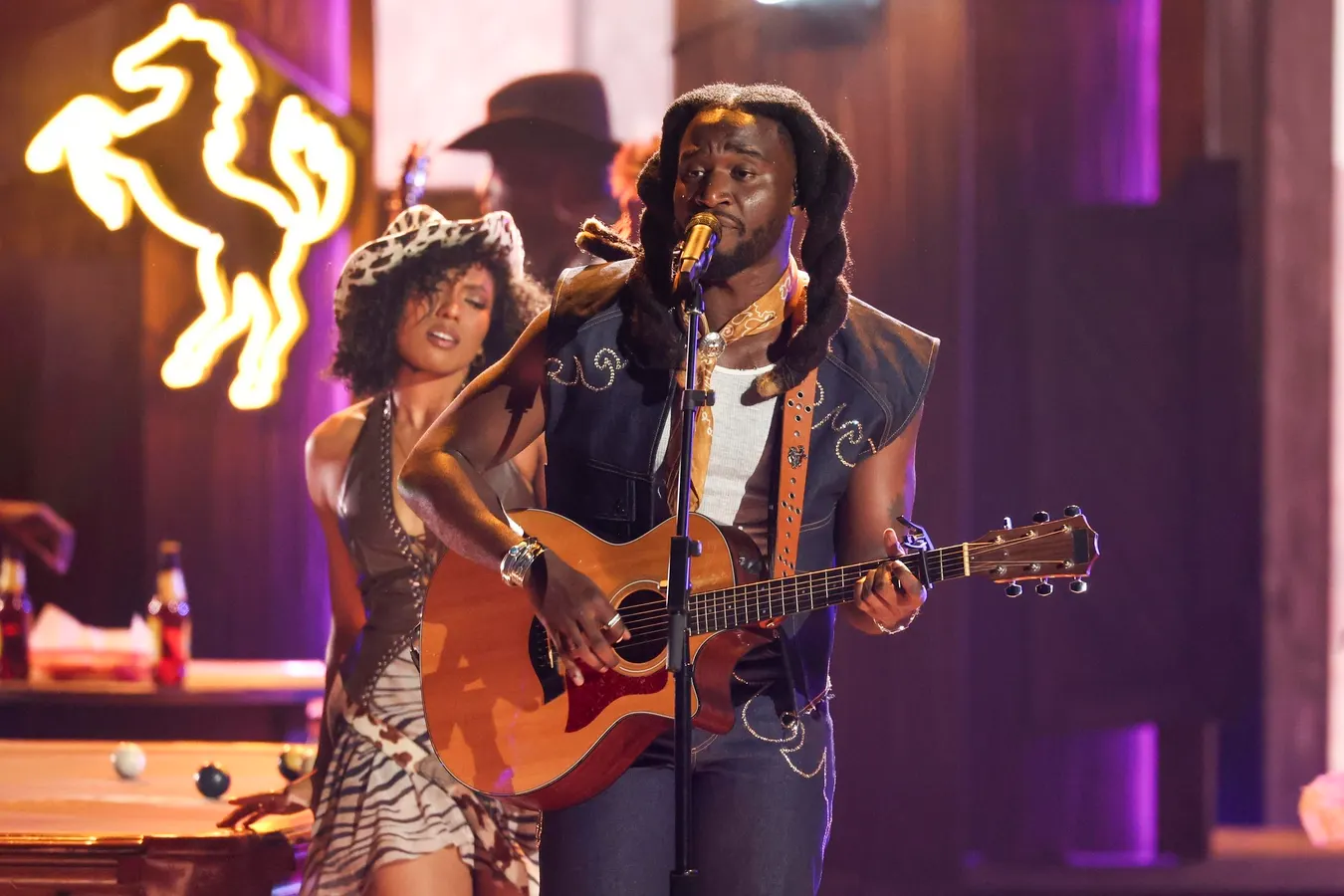
New Black Country Singers (Male)
New Black Country Singers (Male) music is going through one of the most exciting transitions in its history. For decades, the genre was often seen as limited in terms of diversity, but today, a new generation of Black male New Black Country Singers (Male) is reshaping its identity. These artists are not only bringing their talent to the forefront but also redefining what country music can sound like in the modern era.
Blending traditional country roots with influences from hip-hop, R&B, gospel, and soul, these singers are creating a unique space that feels both authentic and innovative. Their rise reflects a broader cultural shift, where audiences are more open to diverse voices and stories than ever before.
The Historical Context of Black Artists in Country Music
To truly understand the significance of this new wave, it’s important to recognize that New Black Country Singers (Male) artists have always been part of country music’s foundation. The genre itself evolved from a mix of folk, blues, and spiritual traditions—many of which originated in Black communities.
Artists like Charley Pride broke major barriers in the 20th century, becoming one of the few Black country stars to achieve mainstream success. Despite his achievements, however, the industry remained largely exclusive for many years.
Today’s emerging artists are building on that legacy but with far more visibility and support. Thanks to digital platforms and changing audience preferences, Black male New Black Country Singers (Male) are finally gaining recognition for their contributions without needing to conform to outdated industry standards.
Leading Names in the New Generation

One of the most prominent figures in this movement is Kane Brown. New Black Country Singers (Male) Known for his smooth vocals and genre-blending style, Brown has successfully merged country with pop and R&B influences. His chart-topping success has proven that audiences are ready for something different.
Another major name is Jimmie Allen, who has made history with multiple number-one hits. His music often reflects personal struggles, perseverance, and emotional depth, making him a powerful voice in modern country music.
Then there’s Breland, who represents the experimental side of the genre. His breakout track “My Truck” showcased a bold mix of country and hip-hop, attracting a younger and more diverse audience.
Willie Jones also stands out for his energetic style and Southern flair. His ability to blend country storytelling with modern beats highlights how flexible and evolving the genre has become.
Rising and Emerging Artists to Watch
While established names are leading the charge, a new generation of Black male New Black Country Singers (Male) is steadily gaining attention. These artists are building their careers independently, often using platforms like TikTok, YouTube, and Spotify to connect with fans.
Tony Evans Jr. is one such artist who is quickly making a name for himself. His music combines heartfelt lyrics with a contemporary sound, appealing to both traditional country fans and newer listeners.
Another emerging voice is Reyna Roberts’s collaborators and peers, who are contributing to a growing network of diverse talent within the industry. Even though not all of them are widely recognized yet, their influence is steadily growing.
These rising artists represent the future of New Black Country Singers (Male) music. They are fearless in their approach, unafraid to experiment with sound and subject matter. More importantly, they are proving that success in country music no longer requires fitting into a narrow mold.
A New Sound: Blending Tradition with Innovation
One of the defining features of new Black male New Black Country Singers (Male) is their ability to blend traditional country elements with modern influences. Acoustic guitars, storytelling, and emotional depth are still present, but they are now complemented by contemporary beats and production styles.
Many of these artists draw inspiration from hip-hop and R&B, incorporating rhythmic flows and vocal techniques that were rarely heard in country music before. This fusion creates a fresh sound that resonates with a broader audience.
At the same time, these singers remain connected to country’s core themes—love, struggle, identity, and everyday life. This balance between tradition and innovation is what makes their music so compelling. It feels familiar yet new, rooted yet progressive.
Breaking Barriers and Challenging Stereotypes
The rise of Black male New Black Country Singers (Male) is not just about music—it’s also about breaking long-standing stereotypes. For years, country music was often associated with a single cultural identity, but these artists are challenging that perception.
By stepping into the spotlight, they are showing that country music belongs to everyone. Their success is helping to dismantle outdated ideas about who can be a country artist and what country music should sound like.
However, the journey hasn’t been easy. Many of these artists have faced challenges, including limited radio play and industry bias. Despite this, they have continued to push forward, using their platforms to create change and inspire others.
The Role of Digital Platforms in Their Success
One of the biggest reasons behind the rise of New Black Country Singers (Male) is the power of digital platforms. Social media has allowed artists to bypass traditional gatekeepers and connect directly with fans.
Platforms like TikTok, Instagram, and YouTube have become essential tools for discovery. A single viral video can launch a career, giving artists exposure that was once impossible without a record label.
Streaming services have also played a crucial role. They allow listeners to explore music beyond traditional genres, making it easier for diverse artists to find their audience. This shift has helped level the playing field and opened doors for new talent.
The Cultural Impact of This Movement
The impact of these artists goes far beyond the music itself. They are influencing culture, shaping conversations, and inspiring a New Black Country Singers (Male) generation of musicians.
By bringing their unique perspectives into country music, they are adding depth and diversity to the genre. Their stories reflect a wider range of experiences, making country music more relatable to a global audience.
This movement is also encouraging the industry to become more inclusive. As these artists gain popularity, they are forcing labels, radio stations, and award shows to rethink their approach and embrace diversity.
What the Future Holds
The future of New Black Country Singers (Male) music looks incredibly promising, thanks to the contributions of new Black male New Black Country Singers (Male). As more artists emerge, the genre will continue to evolve and expand.
We can expect to see even more experimentation with sound, as well as collaborations between artists from different genres. This will further blur the lines between New Black Country Singers (Male), pop, hip-hop, and beyond.
Most importantly, the next generation of artists will grow up seeing a more inclusive version of country music. This will inspire them to pursue their dreams without feeling limited by outdated expectations.
Final Thoughts
The rise of New Black Country Singers (Male) marks a turning point in the genre’s history. Artists like Kane Brown, Jimmie Allen, Breland, and Willie Jones are leading the way, but they are just the beginning.
These artists are proving that country music is not defined by tradition alone—it’s shaped by the people who create it. By bringing their voices, stories, and creativity into the genre, they are making country music richer, more dynamic, and more inclusive than ever before.
As the genre continues to evolve, one thing is clear: the future of country music belongs to those who are willing to push boundaries—and these artists are doing exactly that.
You May Also Read
About the Author