
panorama of world alaikas
Introduction to the Panorama of World Alaikas
The phrase “panorama of world alaikas” may sound mysterious at first, but it opens the door to a fascinating interpretation of how cultures, perspectives, and interconnected global experiences come together. At its core, this concept represents a wide-angle view of the world—an intellectual and cultural panorama that blends diversity, knowledge, and human connection into a single lens. It’s less about a literal place and more about an evolving perspective shaped by global interactions.
In today’s fast-paced, hyperconnected world, having a panoramic view is more important than ever. We are no longer limited by geography; instead, we are constantly exposed to different traditions, ideas, and innovations. The idea of “Panorama of World Alaikas” can be understood as symbolic—representing unity, flow, or even a philosophical approach to understanding the world holistically.
This article explores the concept in depth, unpacking its cultural, philosophical, and modern-day relevance. By the end, you’ll have a clearer understanding of how adopting a “panorama of world alaikas” mindset can enrich your worldview and help you navigate global complexities with greater awareness.
Understanding the Concept of “Panorama of World Alaikas”
To appreciate the panorama fully, we must first explore what “Panorama of World Alaikas” might signify. Although the term does not have a widely recognized dictionary definition, it can be interpreted as a conceptual blend of harmony, openness, and interconnectedness. In many ways, it reflects the idea that the world is not fragmented but unified through shared human experiences.
From a philosophical standpoint, “Panorama of World Alaikas” can be seen as a mindset rather than a fixed concept. It encourages individuals to look beyond borders, to understand that cultures are not isolated entities but constantly evolving systems influenced by one another. This interpretation aligns with global philosophies that emphasize unity, such as holistic thinking and collective consciousness.
Moreover, “alaikas” can also represent adaptability. In a world where change is constant, the ability to adapt while maintaining a broad perspective is invaluable. This adaptability is not just about survival—it’s about thriving in diverse environments and learning from them.
The Global Panorama: Seeing the Bigger Picture
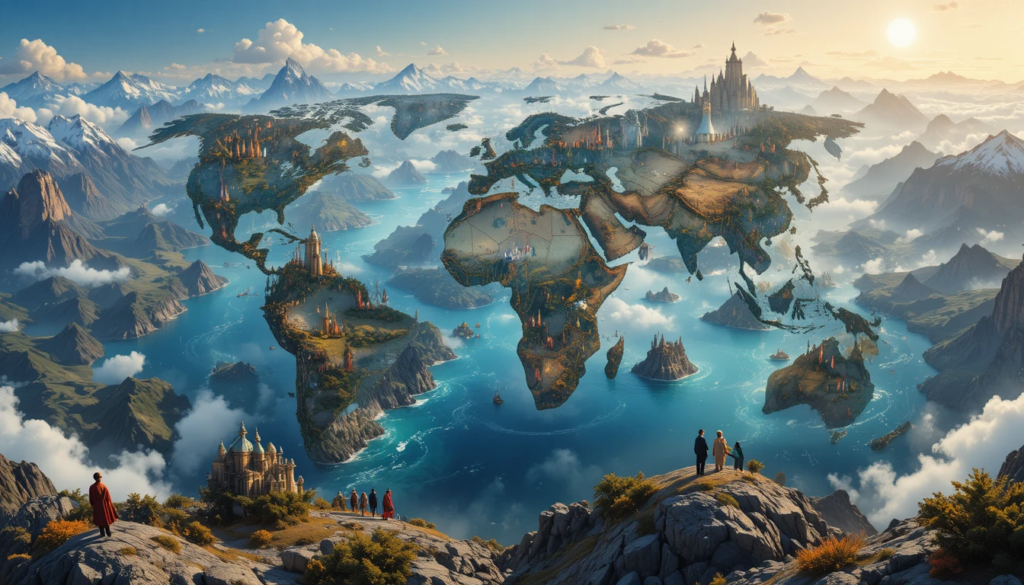
A panorama is, by definition, a wide and comprehensive view. Panorama of World Alaikas When applied to the world, it suggests an inclusive perspective that captures the complexity and richness of global life. The “panorama of world alaikas” invites us to step back and observe the interconnected patterns that shape societies, economies, and cultures.
One key aspect of this panoramic view is cultural diversity. Each culture contributes a unique piece to the global puzzle, whether it’s through art, language, cuisine, or traditions. By embracing this diversity, we gain a deeper appreciation for the richness of human expression.
Another important element is global awareness. In an age of information, being aware of international events, trends, and challenges is essential. A panoramic perspective helps us understand how local actions can have global consequences, fostering a sense of responsibility and interconnectedness.
Finally, this broader view encourages empathy. When we see the world as a connected whole, it becomes easier to understand and relate to others. Empathy is not just a moral virtue—it’s a practical tool for building stronger relationships and communities.
Cultural Dimensions of the Panorama
Culture plays a central role in shaping the panorama of world alaikas. Every culture carries its own history, values, and worldview, contributing to the overall diversity of the global landscape. By exploring these cultural dimensions, we can better understand how the panorama is formed.
One of the most fascinating aspects of culture is its ability to evolve. Cultural exchange has been happening for centuries, from ancient trade routes to modern digital platforms. This exchange enriches societies, creating new forms of expression and innovation.
Language is another critical component. It is more than just a means of communication—it is a reflection of how people think and perceive the world. Learning different languages or even understanding their nuances can significantly enhance one’s panoramic perspective.
Additionally, cultural traditions offer valuable insights into human values. Whether it’s a festival, a ritual, or a simple daily practice, these traditions reveal what matters most to a community. By appreciating them, we gain a deeper understanding of humanity as a whole.
Technology and the Modern Panorama
In the digital age, technology has become a powerful tool for expanding our panoramic view. The internet, social media, and digital communication platforms have made it easier than ever to connect with people from different parts of the world.
One major impact of technology is accessibility. Information that was once difficult to obtain is now available at our fingertips. This accessibility allows individuals to learn about different cultures, perspectives, and global issues in real time.
Another important aspect is collaboration. Technology enables people from diverse backgrounds to work together on common goals, whether it’s scientific research, creative projects, or social initiatives. This collaboration strengthens the sense of global unity that defines the panorama of world alaikas.
However, technology also comes with challenges. The overwhelming amount of information can sometimes lead to confusion or misinformation. Maintaining a clear and balanced perspective requires critical thinking and the ability to filter reliable information from noise.
Philosophical Implications of a Panorama of World Alaikas
Adopting a panoramic worldview has profound philosophical implications. It challenges us to rethink traditional notions of identity, belonging, and understanding. Instead of seeing ourselves as isolated individuals, we begin to recognize our place within a larger global context.
One key implication is the idea of interconnectedness. Everything we do, directly or indirectly, affects others. This interconnectedness highlights the importance of ethical decision-making and collective responsibility.
Another important aspect is the concept of perspective. A panoramic view encourages us to consider multiple viewpoints rather than relying on a single narrative. This openness to different perspectives fosters intellectual growth and reduces biases.
Furthermore, this worldview promotes lifelong learning. The world is constantly changing, and there is always something new to discover. Embracing this mindset keeps us curious and engaged, allowing us to grow both personally and professionally.
Practical Applications in Everyday Life
The concept of the panorama of world alaikas is not just theoretical—it has practical applications in everyday life. By adopting this perspective, individuals can enhance their personal and professional experiences in meaningful ways.
In personal life, a panoramic mindset can improve relationships. Understanding and appreciating different perspectives helps reduce conflicts and build stronger connections. It encourages open communication and mutual respect.
In the professional world, this perspective is equally valuable. Globalization has made workplaces more diverse, and the ability to navigate cultural differences is a crucial skill. A panoramic view enables individuals to work effectively in multicultural environments.
Additionally, this mindset can enhance problem-solving abilities. By considering multiple angles and perspectives, individuals can develop more innovative and effective solutions. This approach is particularly useful in complex and dynamic situations.
Challenges in Embracing a Panorama of World Alaikas Perspective
While the idea of a panoramic worldview is appealing, it is not without challenges. One of the main obstacles is cognitive bias. People naturally tend to favor familiar perspectives, which can limit their ability to see the bigger picture.
Another challenge is information overload. With so much information available, it can be difficult to process and understand everything. This can lead to confusion or even disengagement.
Cultural misunderstandings are also a potential issue. Without proper context, it is easy to misinterpret cultural practices or values. This highlights the importance of education and open-mindedness in building a true panoramic perspective.
Despite these challenges, the benefits far outweigh the difficulties. With effort and practice, anyone can develop a more comprehensive and inclusive view of the world.
Conclusion: Embracing the Panorama of World Alaikas
The “panorama of world alaikas” is more than just an abstract concept—it is a powerful way of understanding and engaging with the world. It encourages us to look beyond our immediate surroundings and embrace the richness and complexity of global life.
By adopting this perspective, we become more aware, empathetic, and adaptable individuals. We learn to appreciate diversity, think critically, and connect with others on a deeper level. These qualities are essential in today’s interconnected world.
Ultimately, the panorama of world alaikas is about unity in diversity. It reminds us that while we may come from different backgrounds, we are all part of the same global tapestry. Embracing this idea not only enriches our own lives but also contributes to a more harmonious and understanding world.
You May Also Read
About the Author